
Table of Contents
Why Hard Water Stains Form and Why They Come Back
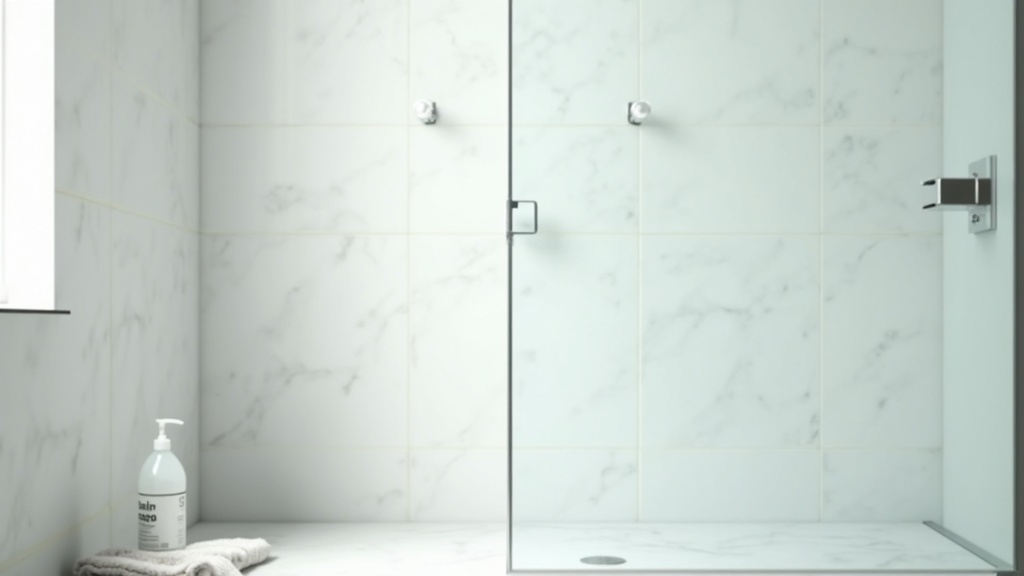
Hard water contains high levels of calcium and magnesium. When water evaporates on your glass shower door, these minerals remain, forming white chalky deposits. The U.S. Geological Survey reports that over 85% of American homes have hard water, with cities like Las Vegas, NV, and San Antonio, TX topping the charts.
The problem intensifies when soap scum combines with mineral deposits, creating a stubborn film. Many homeowners in Florida or Arizona fight this battle daily.
If you only wipe with a regular cloth, you are leaving microscopic minerals behind. They accumulate again within hours.

How to Get Rid of Hard Water Stains on Glass Shower Doors Permanently: The Acid Wash Method
The most effective permanent removal method uses an acid to dissolve the minerals. White vinegar (5% acetic acid) works for light to moderate stains. For heavy buildup, you need a stronger acid like citric acid or a commercial descaler such as CLR (Calcium, Lime, and Rust Remover).
Step 1: Mix equal parts white vinegar and distilled water in a spray bottle. Use distilled water to avoid adding new minerals. Step 2: Spray the solution generously on the dry glass. Let it sit for 10 minutes, the acid will fizz and loosen the deposits.
Step 3: Scrub with a non-abrasive sponge or a Mr. Clean Magic Eraser (outbound link). Step 4: Rinse thoroughly with distilled water. Step 5: Squeegee immediately from top to bottom — this is the most critical step for permanence.

The Ultimate Prevention System: Daily Squeegee + Weekly Ritual
Once you remove stains permanently, prevention is the only way to keep them away. The simplest tool is a squeegee. Use it after every shower in one downward motion. It removes water before it evaporates, leaving zero mineral deposits.
For weekly maintenance, apply a glass sealant like Rain-X Glass Treatment. It creates a hydrophobic barrier that causes water to bead off, drastically reducing spotting. Users in hard-water hotspots like Phoenix report 90% fewer stains when using sealant.
Combine this with a weekly 5-minute spray-down using a half-vinegar solution. This routine takes less than 10 minutes total and keeps your glass immaculate permanently.

Professional-Grade Products That Deliver Permanent Results
If DIY methods fail, professional products can reset your glass entirely. The best options include:
- CLR Pro – widely used by cleaning crews in Los Angeles hotels.
- Biocleen Hard Water Stain Remover – biodegradable and safe for septic systems.
- Bar Keepers Friend Soft Cleanser – oxalic acid-based, effective on glass and chrome.
These products contain stronger acids (sulfamic or phosphoric) but require careful handling. Always wear gloves and ventilate the bathroom.
For extreme cases, a professional glass restoration service like EcoClean (available in Tampa and New York) can diamond-polish the glass, removing etching. This costs $200–$400 but guarantees a like-new finish.
Home Remedies vs. Commercial Cleaners: A Detailed Comparison
| Method | Cost | Effectiveness | Safety | Permanence |
|---|---|---|---|---|
| White vinegar + water | ~$0.10 per use | Good for light stains | Very safe | Short-term |
| Lemon juice + baking soda | ~$0.30 per use | Moderate | Safe but scrub effort | Short-term |
| CLR Pro | ~$8 per bottle | Excellent on heavy stains | Caustic; gloves needed | Long-term with sealant |
| Bar Keepers Friend | ~$5 per can | Very good | Mild acid; rinse well | Medium-term |
| Glass restoration pro | $200–$400 | Guaranteed perfect | Professional only | Years |
Choose based on your stain severity. For routine maintenance, vinegar is unbeatable. For stained glass that hasn’t been cleaned in months, CLR is the fastest route.
The 3 Tools That Guarantee Permanent Results
Tool #1: A high-quality stainless steel squeegee with a rubber blade. The Unger S-Squeegee (used by professionals in New York City) costs less than $10 and lasts years.
Tool #2: A spray bottle with a fine mist setting. Fill it with distilled water and a splash of vinegar. Keep it hanging inside your shower for quick daily spritzing.
Tool #3: A glass-specific microfiber cloth — the E-Cloth Glass & Polish Cloth leaves zero lint. Use it for buffing after the squeegee step.
Common Mistakes That Keep Hard Water Stains Coming Back
Using paper towels leaves lint and scratches. Scratched glass holds minerals more easily. Always use a microfiber cloth.
Skipping the rinse step leaves acid residue that attracts new deposits. Rinse with distilled water only.
Not sealing the glass after deep cleaning: a sealant like Rain-X applied every six months is the difference between weekly scrubbing and monthly touch-ups.
If you live in a region with extreme hard water (like Indianapolis, IN), consider installing a whole-house water softener. It eliminates the problem at the source.
Related Guides You Should Read
For more home care advice, check out these expert articles:
- Constantly Dusty House: What Is the Main Cause and How to Fix It for Good
- How to Reduce Dust Coming From HVAC Vents: 10 Expert-Backed Solutions
- Best Air Purifier for Dust and Pet Dander Allergies: 2026 Expert Review & Buying Guide
Frequently Asked Questions
Can hard water stains become permanent?
If left untreated for years, minerals can etch into the glass, causing permanent etching — especially in high-hardness areas like Las Vegas, NV. However, most stains are removable with acid-based cleaners. For etching, professional polishing may be needed.
Does vinegar damage glass shower doors?
White vinegar is safe for glass. It is acidic but mild. Do not let it sit on glass for more than 15 minutes. Rinse thoroughly. Avoid vinegar on natural stone or metal frames.
How often should I clean my shower door to prevent hard water stains permanently?
Daily squeegee after each shower is best. Perform a vinegar spray and wipe weekly. Apply a glass sealant every 6 months.
What is the absolute best product to remove hard water stains on glass?
For heavy stains, CLR Pro or Biocleen Hard Water Stain Remover works best. For light stains, white vinegar is the national standard in the USA.
Can I use a magic eraser on glass shower doors?
Yes, Mr. Clean Magic Eraser is effective for hard water stains. Use it wet and with gentle pressure to avoid scratching. It works by micro-abrasion.
Why do hard water stains come back so quickly?
Because residual minerals remain if not fully removed. The water itself deposits new minerals every shower. The only permanent prevention is a daily squeegee and a hydrophobic sealant.