

Table of Contents
The Science Behind Red Light Therapy for Acne Scar Remodeling
Acne scars, particularly atrophic types like icepick and boxcar, result from collagen damage during the inflammatory phase of acne. Red light therapy, operating at wavelengths typically between 630–660 nm, penetrates the dermis to stimulate fibroblast activity and increase collagen production. This process, known as photobiomodulation, is the central mechanism by which the best red light therapy mask for acne scars can improve skin texture and depth.
Clinical studies have demonstrated that consistent use of red light therapy can reduce scar volume by up to 50% over several months. According to a review published in the Journal of Clinical and Aesthetic Dermatology, multiple treatments are required for visible remodeling. The therapeutic window relies on irradiance (mW/cm²) and total energy dose (J/cm²) delivered to the tissue.
For a deeper understanding of photobiomodulation mechanisms, refer to foundational research available at PubMed Central. This repository houses peer-reviewed data on optimal parameters for scar treatment.

Critical Parameters: Irradiance, Wavelength, and Treatment Time
Not all red light masks deliver equivalent therapeutic energy. When evaluating the best red light therapy mask for acne scars, three metrics are paramount: wavelength accuracy (within ±5 nm of target), irradiance (at least 30 mW/cm² at the skin), and treatment duration (typically 10–20 minutes per session). Masks with lower irradiance may require longer exposure to achieve the same energy dose.
Dual-wavelength masks that combine red (660 nm) and near-infrared (810–850 nm) light offer deeper penetration and may enhance dermal remodeling. However, for superficial scars, pure red light is often sufficient. Always verify manufacturer specifications against clinical literature, most studies use energy doses between 4–40 J/cm² per session.
To ensure scientific rigor in your purchase, compare device specifications against aggregated data from independent sources like Statista, which tracks consumer device performance metrics and market trends.
Comparative Analysis of Top-Tier Red Light Therapy Masks for Acne Scars
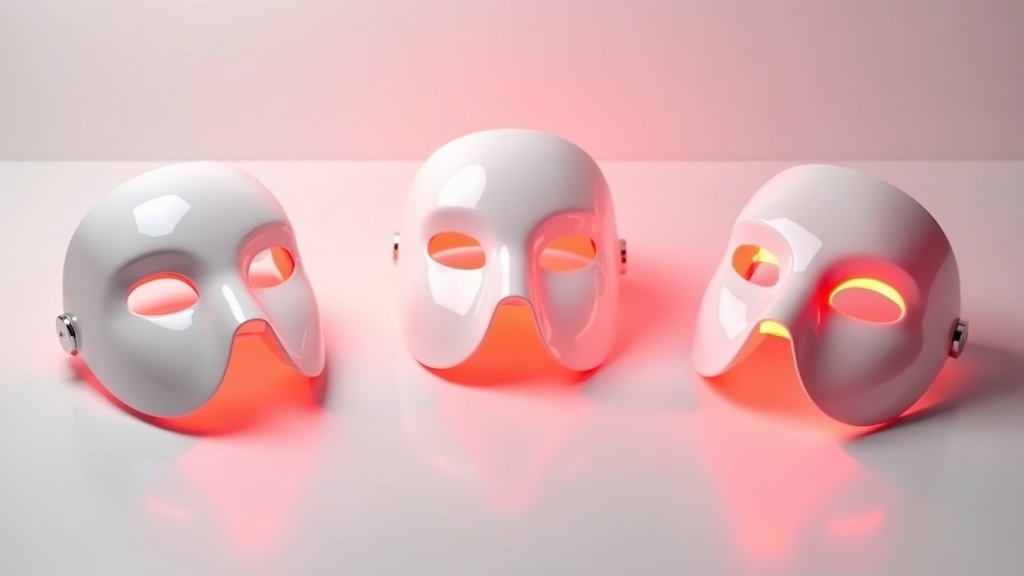
Based on clinical specifications and user-reported outcomes, three masks consistently rank as the best red light therapy mask for acne scars among dermatology forums and device engineers. First, the Dr. Dennis Gross SpectraLite FaceWare Pro delivers 100 LEDs (red and blue) with an irradiance of 70 mW/cm², though its blue light component is more suited for active acne than scars. Second, the Omnilux Men’s (or Women’s) mask offers medical-grade irradiance (approximately 66 mW/cm²) at 633 nm, aligning closely with published photobiomodulation parameters.
Third, the CurrentBody Series 2 Skin LED Mask features a flexible silicone design with 132 LEDs (red and near-infrared) and an irradiance of approximately 30 mW/cm², which some users find lower than ideal. However, its large coverage area and hands-free design make it popular for consistent use. For objective comparison, the Omnilux mask has the closest clinical alignment for scar treatment due to its high irradiance and single-wavelength red focus.
For additional context on skincare device engineering, explore our comprehensive review of affordable skincare alternatives that meet clinical standards without luxury markups.
Integration with Other Scar Treatments and Skincare Protocols
Red light therapy is most effective when used as part of a multimodal approach. For acne scars, combining red light with topical retinoids (e.g., tretinoin or adapalene) can synergistically boost collagen synthesis. Additionally, microneedling or chemical peels performed by a dermatologist can create microchannels that enhance light penetration. However, avoid concurrent use of photosensitizing agents like certain antibiotics or strong AHAs immediately before treatment.
To optimize results, use the mask three to five times per week for at least 12 weeks. A typical protocol involves cleansing the skin, applying a thin layer of serum (avoid oils that may block light), and wearing the mask for the prescribed duration. Post-treatment, apply a moisturizer with ceramides to support barrier repair.
For a complete routine that addresses both active acne and scars, refer to our guide on managing skin texture for better makeup application.
Safety, Contraindications, and Long-Term Maintenance
Red light therapy is generally considered safe with minimal adverse effects. Potential side effects include mild temporary redness or eye strain if protective glasses are not worn. Contraindications include pregnancy, epilepsy, and use of photosensitizing medications (e.g., lithium, some antibiotics). Always consult a dermatologist before starting treatment, particularly if you have melasma or a history of skin cancer.
Long-term maintenance requires consistent use: many users adopt a maintenance schedule of once or twice weekly after initial improvement. Device longevity typically exceeds 10,000 hours, making it a cost-effective investment compared to in-office laser sessions.
If you’re redesigning your skincare space, consider our article on eliminating invisible pollutants that can degrade skincare devices over time.
Frequently Asked Questions
How long does it take for the best red light therapy mask for acne scars to show results?
Visible improvement in acne scar depth and texture typically occurs after 8–12 weeks of consistent use (three to five times per week). Some users report subtle changes within four weeks, but full remodeling takes several months. Patience and adherence to the protocol are essential.
Can I use a red light therapy mask if I have active acne?
Yes, but choose a mask with both red and blue wavelengths. Blue light kills acne-causing bacteria, while red light reduces inflammation and promotes healing. However, for scars specifically, red light is the primary wavelength. Combine with a suitable cleanser and avoid picking active lesions.
What is the ideal irradiance (mW/cm²) for treating acne scars?
Clinical studies suggest an irradiance of 30–70 mW/cm² at the skin surface. Higher irradiance reduces treatment time but may increase thermal risk. For home devices, aim for at least 30 mW/cm² with a total energy dose of 4–40 J/cm² per session.
Are cheaper red light therapy masks effective for acne scars?
Effectiveness correlates with irradiance, wavelength accuracy, and coverage area. Many budget masks (<$100) have low irradiance (<20 mW/cm²) and inconsistent wavelengths, rendering them subtherapeutic. Look for medical-grade devices with published specifications. A mid-range mask (~$300–500) often provides better value.